Decoupage Digital Paper: A Creative Tool for Designers and Crafters
Decoupage digital paper has become a popular resource for designers, scrapbookers, card makers, and creative professionals. With its high-quality resolution and versatile design options, it offers an efficient way to enhance projects without the need for physical materials. Whether you're working on a greeting card, a scrapbook layout, or a custom graphic, decoupage digital paper can add texture, color, and visual interest. However, like any digital asset, there are common pitfalls that can affect your final results. Understanding these mistakes and how to avoid them is essential for achieving professional-level outcomes.
Understanding Decoupage Digital Paper
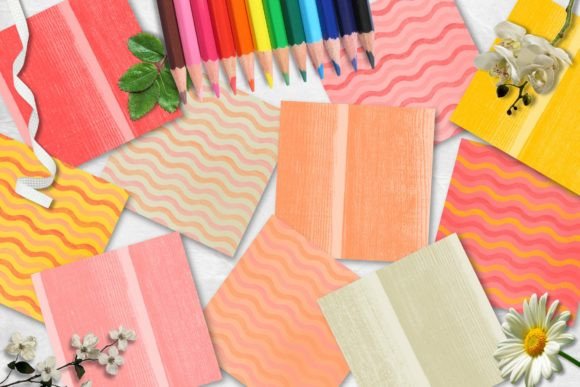
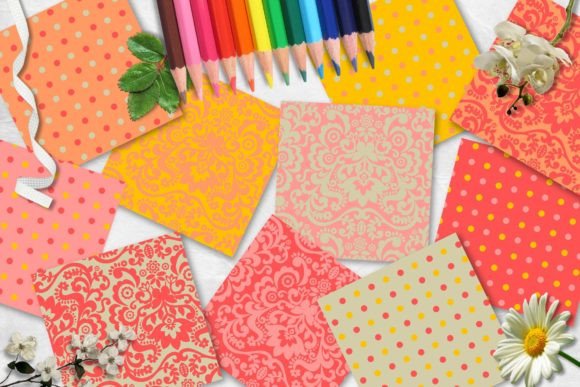
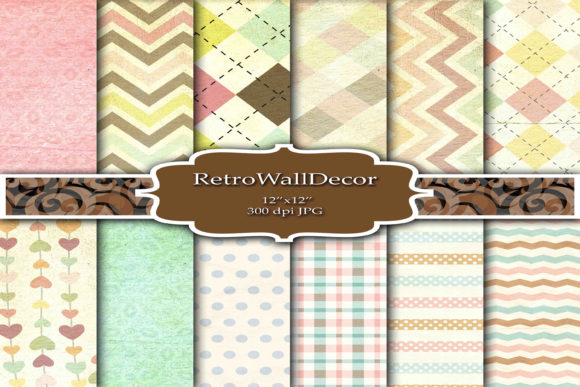
Decoupage digital paper refers to high-resolution images designed for use in digital crafting. These images often mimic traditional decoupage techniques, featuring patterns such as damask, argyle, chevron, hearts, and more. They are typically available in formats like JPEG and PNG, with resolutions of 300 dpi to ensure clarity when printed or displayed digitally.
For those new to the concept, decoupage digital paper can seem like a simple download. But its impact on your project depends on how well you understand its characteristics and limitations. Choosing the right type of digital paper can make all the difference between a mediocre result and a polished design.
Common Mistakes When Using Decoupage Digital Paper
Many users overlook important details when selecting or using decoupage digital paper. Here are some common mistakes and how they can affect your work:
- Choosing low-resolution files: While most digital papers are available at 300 dpi, not all are. Using lower resolution images can lead to pixelation, especially when printed at larger sizes. Always verify that the file meets the required specifications for your project.
- Ignoring file format compatibility: Not all design software supports every file type. For instance, some programs may struggle with large JPEGs or require specific image formats like PNG for transparency. Always check your software’s compatibility before downloading.
- Not considering print size: A 12 x 12 inch digital paper might look great on screen, but when printed, it could lose quality if not scaled properly. Ensure that the resolution remains consistent across different sizes.
- Using generic or poorly designed templates: Some digital papers are created with minimal attention to detail. This can result in inconsistent patterns, faded colors, or awkward placement. Invest in high-quality resources from reputable sources.
- Overlooking licensing agreements: Many digital papers come with usage rights that limit how you can use them. Failing to respect these terms could lead to legal issues or prevent future use of the same assets.
These mistakes can affect both the appearance and usability of your projects. By being mindful of these factors, you can significantly improve the quality of your designs.
How to Choose the Right Decoupage Digital Paper
Selecting the right decoupage digital paper requires careful consideration of several key factors:
- Resolution: Opt for 300 dpi images to ensure sharpness and clarity, especially if you plan to print your work.
- Format: Choose JPEG for standard prints or PNG if you need transparency for layered designs.
- Size: Look for 12 x 12 inch (3600x3600 px) files to maintain consistency across your projects.
- Design: Select patterns that align with your project's theme and purpose. For example, chevron patterns are ideal for modern layouts, while hearts and damask add a classic touch.
- Source: Purchase from trusted platforms that offer clear licensing information and high-quality content.
By evaluating these aspects, you can make informed decisions that enhance both the aesthetics and functionality of your designs.
Practical Tips for Using Decoupage Digital Paper
Once you've selected the right digital paper, proper application is crucial. Here are some practical tips to help you get the most out of your materials:
- Use layering effectively: Combine multiple digital papers to create depth and dimension in your designs. Experiment with overlapping patterns to achieve unique visual effects.
- Adjust opacity settings: Lowering the opacity of a digital paper can help blend it seamlessly into your background or other elements.
- Test on different backgrounds: Before finalizing your design, test the digital paper against various color schemes to ensure it complements your overall composition.
- Organize your files: Keep your digital papers sorted by category, such as damask, argyle, or hearts, to streamline your workflow and reduce confusion.
- Backup your downloads: Store copies of your digital papers in secure locations to prevent data loss, especially if you're working on time-sensitive projects.
Following these best practices will help you maximize the potential of your decoupage digital paper collection and elevate your creative output.
What to Check Before Making a Decision
Before purchasing or using decoupage digital paper, consider the following:
- Intended use: Are you planning to print, display digitally, or use the paper in a mixed-media project? Your needs will influence which type of digital paper is best suited for your purpose.
- Project requirements: Determine the scale, resolution, and format needed for your specific project. This will help you avoid unnecessary purchases or wasted effort.
- Quality assurance: Review user feedback and sample previews to assess the reliability and quality of the digital paper provider.
- Licensing terms: Make sure you understand the permitted uses of the digital paper to avoid violating any usage agreements.
- Cost-effectiveness: Compare prices and value across different platforms to find the best balance between cost and quality.
By carefully evaluating these factors, you can make smarter choices that align with your creative goals and budget.