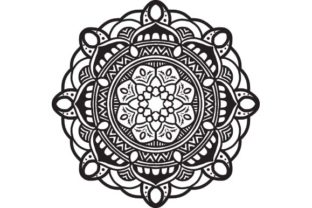
Exploring Mandala Vector Art Pattern 152: A Comprehensive Overview
Mandala Vector Art Pattern 152 is a digital design asset that offers a unique and intricate visual composition, ideal for creative professionals and hobbyists alike. As a vector-based pattern, it provides scalability, versatility, and high-quality output across various mediums. Whether you're working on graphic design projects, branding materials, or personal artistic endeavors, understanding the features and applications of Mandala Vector Art Pattern 152 can help you make informed decisions about its use.
What Is Mandala Vector Art Pattern 152?
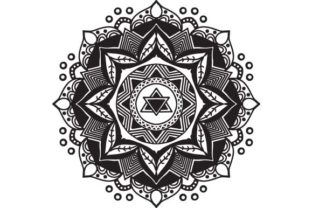
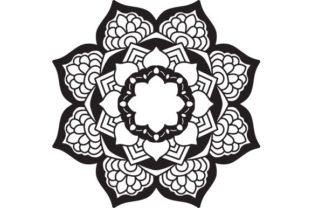
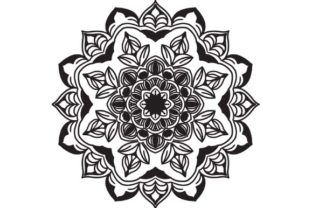
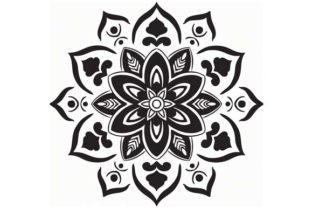
Mandala Vector Art Pattern 152 is a pre-designed vector artwork that features a symmetrical, geometric mandala layout. It is crafted using vector graphics software, allowing for seamless scaling without loss of quality. This pattern typically includes a complex interplay of lines, shapes, and colors, often inspired by traditional mandala designs found in Buddhist and Hindu art traditions.
The pattern is available in multiple file formats, including AI (Adobe Illustrator), EPS (Encapsulated PostScript), and JPG (Joint Photographic Experts Group). These formats cater to different uses—AI and EPS are ideal for professional editing and printing, while JPG is suitable for web-based applications and quick previews.
Why Would Someone Be Interested In Mandala Vector Art Pattern 152?
There are several reasons why individuals might be drawn to Mandala Vector Art Pattern 152:
- Creative Inspiration: The intricate design of the mandala can serve as a source of inspiration for artists and designers looking to incorporate symbolic and aesthetic elements into their work.
- Design Flexibility: Being a vector format, the pattern allows for easy customization, enabling users to modify colors, sizes, and layouts to suit specific project requirements.
- Professional Use: Designers working on branding, packaging, or editorial content may find this pattern useful for creating visually appealing and culturally resonant visuals.
- Personal Projects: Artists and hobbyists can use the pattern for personal creations, such as greeting cards, wall art, or digital collages.
- Accessibility: The availability of multiple file types ensures that the pattern is accessible to a wide range of users, from beginners to advanced designers.
Benefits Of Using Mandala Vector Art Pattern 152
One of the primary advantages of Mandala Vector Art Pattern 152 is its **scalability**. Unlike raster images, vector graphics maintain clarity and sharpness at any size, making them ideal for both small-scale and large-format projects. This feature is particularly beneficial for print media, where high-resolution outputs are essential.
Another key benefit is **editability**. Since the pattern is created in vector format, users can easily adjust individual elements such as colors, line thicknesses, and shapes. This flexibility allows for personalized modifications without compromising the integrity of the original design.
Additionally, the **cultural significance** of mandalas adds an emotional and symbolic layer to the design. For those working in fields like spirituality, wellness, or education, incorporating such patterns can enhance the thematic depth of their projects.
Considerations And Tradeoffs
While Mandala Vector Art Pattern 152 offers numerous benefits, there are also some considerations to keep in mind:
- Complexity: The intricate nature of the pattern may require some time and skill to customize effectively. Beginners may need to invest in learning vector editing tools before they can fully utilize the design's potential.
- File Size: Although vector files are generally smaller than high-resolution raster images, the complexity of the pattern could result in larger file sizes, which might affect performance in certain applications.
- Limitations In Use: While the pattern is versatile, it may not always be the best fit for every project. For instance, if the design requires a more organic or freeform style, alternatives may be more appropriate.
When To Consider Alternatives
In some cases, Mandala Vector Art Pattern 152 may not be the optimal choice. For example:
- If You Need A More Organic Style: Mandalas are typically structured and symmetrical. If your project calls for a more fluid or natural look, you might explore alternative patterns or hand-drawn illustrations.
- If You Require High Detail In Raster Format: While vector graphics offer scalability, they may not provide the same level of detail as high-resolution raster images. In such cases, using a JPG version of the pattern or a similar high-detail image may be preferable.
- If You Are Working With Limited Design Experience: Customizing a complex vector pattern may be challenging for beginners. In these situations, simpler templates or pre-designed assets may be more user-friendly.
Practical Decision-Making Insights
When deciding whether to use Mandala Vector Art Pattern 152, consider the following factors:
- Project Requirements: Assess the purpose of your project and determine whether the pattern’s design and features align with your goals.
- Technical Skills: Evaluate your proficiency with vector editing tools. If you’re new to design software, start with simpler templates before tackling more complex ones.
- Intended Use: Think about how the pattern will be used—whether for print, web, or personal projects—and choose the most suitable file format accordingly.
- Time Investment: Factor in the time required to customize the pattern. If time is limited, consider whether the effort is worth the outcome.
Ultimately, Mandala Vector Art Pattern 152 is a valuable resource for those seeking a detailed, scalable, and customizable design. However, its suitability depends on the specific needs and capabilities of the user. By carefully evaluating these aspects, you can determine whether this pattern is the right choice for your creative journey.