Mastering Mandala Vector Art Pattern 151: A Strategic Tool for Creativity and Planning
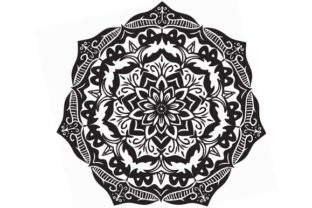
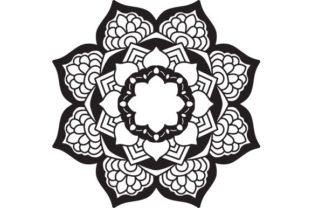
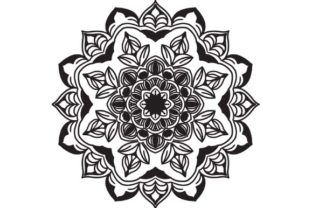
Mandala Vector Art Pattern 151 is more than just an artistic design—it’s a strategic visual framework that can be leveraged across multiple domains to enhance planning, creativity, and decision-making. This intricate pattern, available in AI, EPS, and JPG formats, offers a unique blend of symmetry, balance, and complexity that makes it ideal for both aesthetic and functional applications. Whether you're a designer, entrepreneur, educator, or small business owner, understanding how to use Mandala Vector Art Pattern 151 intentionally can unlock new opportunities for clarity, focus, and long-term success.
The Strategic Value of Mandala Vector Art Pattern 151
Mandala Vector Art Pattern 151 is designed with precision and purpose. Its geometric structure and layered elements reflect a deep connection to principles of order, harmony, and intentionality. These qualities make it particularly useful in environments where clear communication and structured thinking are essential. Unlike generic designs, this pattern carries an inherent level of sophistication that can elevate branding, marketing materials, and creative projects.
One of the key advantages of Mandala Vector Art Pattern 151 is its adaptability. It can be scaled, reconfigured, and integrated into various formats without losing its integrity. This flexibility allows users to apply it in diverse contexts—from digital content creation to physical print media—ensuring that it remains a versatile tool in your creative arsenal.
When to Use Mandala Vector Art Pattern 151
Knowing when to use Mandala Vector Art Pattern 151 is crucial for maximizing its impact. Here are some strategic scenarios where this design shines:
- Branding and Identity Development: The symmetry and elegance of Mandala Vector Art Pattern 151 make it an excellent choice for logos, website headers, and other brand assets that require visual consistency and memorability.
- Content Creation: Whether you're designing infographics, social media graphics, or presentations, this pattern can add depth and visual interest without overwhelming the audience.
- Learning and Education: In educational settings, Mandala Vector Art Pattern 151 can be used to create engaging visuals that help students grasp complex concepts through structured representation.
- Marketing and Communication: For campaigns that emphasize balance, growth, and transformation, this pattern can serve as a powerful metaphor, reinforcing key messages with visual storytelling.
- Personal Projects and Hobbies: If you're an artist, designer, or hobbyist, this pattern can inspire new ideas and provide a foundation for experimentation and innovation.
How to Approach Mandala Vector Art Pattern 151 Strategically
Using Mandala Vector Art Pattern 151 effectively requires more than just downloading the file—it demands thoughtful integration into your workflow. Here are some practical steps to ensure you’re leveraging this resource to its fullest potential:
- Define Your Purpose: Before incorporating the pattern, ask yourself: What is the goal? Is it to communicate a message, enhance aesthetics, or support a specific project? Clarifying your intent will guide how you apply the design.
- Consider Context and Audience: Think about who will see the final product and what they need to understand. The pattern should complement, not distract from, the core message.
- Test and Iterate: Experiment with different placements, color schemes, and combinations to find what works best for your application. Don’t hesitate to refine the design based on feedback or results.
- Ensure Accessibility: Make sure the pattern doesn’t compromise readability or usability, especially if it’s part of a larger design or interface.
- Document Your Process: Keep track of how you’ve used the pattern, what worked, and what didn’t. This documentation can serve as a reference for future projects and improve your overall strategy.
Strategic Observations and Decision-Making Guidance
While Mandala Vector Art Pattern 151 is a powerful tool, it’s important to approach it with a clear mindset. Here are some strategic observations to consider:
Balance and Focus: The pattern’s design emphasizes balance, which can be a metaphor for maintaining equilibrium in your work. However, overuse or misuse can lead to visual clutter. Always ensure the pattern supports the main content rather than overshadowing it.
Intentional Application: Avoid using Mandala Vector Art Pattern 151 randomly or as a filler. Instead, treat it as a deliberate element that aligns with your broader objectives. This intentional approach ensures that every use contributes meaningfully to your goals.
Long-Term Value: Consider the long-term implications of your design choices. Will the pattern continue to resonate with your audience over time? Does it support ongoing growth and evolution in your brand or project?
Risks of Using Mandala Vector Art Pattern 151 Without Clear Goals
While Mandala Vector Art Pattern 151 is a valuable asset, relying on it without clear direction can lead to several risks:
- Lack of Alignment: If the pattern doesn’t align with your brand identity or messaging, it may confuse your audience or dilute your overall presence.
- Visual Overload: Using too many layers or variations of the pattern can overwhelm viewers, reducing the effectiveness of your design.
- Missed Opportunities: Focusing on the pattern itself rather than the underlying message can cause you to lose sight of the real value you want to deliver.
- Relevance Concerns: Trends change, and what feels fresh today may become outdated tomorrow. Ensure your use of the pattern remains relevant to your target audience and market.
Practical Examples and Use Cases
To illustrate how Mandala Vector Art Pattern 151 can be applied strategically, here are a few real-world examples:
Example 1: Branding for a Wellness Business
A wellness company looking to establish a calming and trustworthy brand image might incorporate Mandala Vector Art Pattern 151 into their logo and website design. The pattern’s symmetry and balance reinforce the idea of inner peace and holistic well-being, creating a strong emotional connection with customers.
Example 2: Educational Content Creation
An educator developing interactive learning materials could use the pattern to create visually engaging diagrams or flowcharts. The structured nature of the mandala helps break down complex topics into digestible parts, enhancing student comprehension and retention.
Example 3: Marketing Campaigns for Growth Mindset
A marketing campaign focused on personal development might leverage Mandala Vector Art Pattern 151 to symbolize growth, transformation, and progress. The pattern’s intricate design serves as a visual metaphor for the journey of self-improvement, making the message more relatable and impactful.
Conclusion
Mandala Vector Art Pattern 151 is a strategic design tool that offers immense potential for those who use it with intention. By understanding its structure, purpose, and applications, you can harness its power to support your goals, enhance your communication, and drive meaningful outcomes. Whether you’re working on branding, content creation, education, or personal projects, this pattern can be a valuable addition to your toolkit. The key is to approach it with clarity, purpose, and a commitment to long-term value.