Mastering Mandala Vector Art Pattern Black 67: A Practical Guide for Creative Professionals
Mandala Vector Art Pattern Black 67 is more than just a design element—it’s a versatile tool that can elevate your creative projects across multiple industries. Whether you're a graphic designer, educator, marketer, or hobbyist, understanding how to use this pattern effectively can make a significant difference in the quality and impact of your work.
What Is Mandala Vector Art Pattern Black 67?
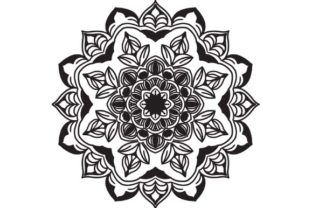
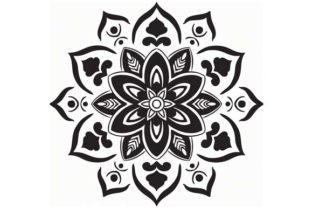
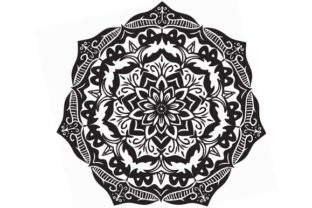
Mandala Vector Art Pattern Black 67 is a high-resolution vector design featuring intricate geometric patterns and symmetry. It's crafted in black tones, making it ideal for minimalist designs, branding, and print materials. This pattern is available in AI, EPS, and JPG formats, ensuring compatibility with a wide range of design software and platforms.
The appeal of Mandala Vector Art Pattern Black 67 lies in its adaptability. It can be scaled without losing quality, which is essential for both digital and print applications. Its clean lines and structured layout make it suitable for everything from website backgrounds to packaging designs and educational materials.
Common Mistakes When Using Mandala Vector Art Pattern Black 67
While Mandala Vector Art Pattern Black 67 offers great potential, many users fall into common traps that can undermine their results. Understanding these mistakes can help you avoid them and maximize the value of your design assets.
- Ignoring File Formats: Not considering the file format when using Mandala Vector Art Pattern Black 67 can lead to poor scalability or loss of detail. For example, using a JPG instead of an AI file might result in pixelation when scaling up for large-format prints.
- Overlooking Color Contrast: While the pattern is black, pairing it with the wrong background can reduce visibility. A white or light-colored background often provides the best contrast, enhancing readability and visual appeal.
- Using Without Purpose: Some users apply Mandala Vector Art Pattern Black 67 simply because it looks visually appealing, without considering its relevance to the project. This can create clutter and distract from the main message.
- Not Checking Licensing: If you're using the pattern for commercial purposes, failing to verify the licensing terms could lead to legal issues. Always ensure you have the right to use the design in your intended application.
How These Mistakes Affect Your Work
Each of these mistakes can have real consequences. Poor scalability may result in low-quality outputs, while incorrect color choices can diminish the overall impact of your design. Using the pattern without a clear purpose can confuse your audience and dilute your brand message. And not checking licensing terms can expose you to legal risks, especially if you're working with clients or selling products.
Practical Advice for Better Results
To get the most out of Mandala Vector Art Pattern Black 67, follow these tips:
- Choose the Right Format: Use AI or EPS files for editable, scalable designs, and JPG for quick web use. Always check the resolution requirements of your project before exporting.
- Test Color Combinations: Before finalizing your design, test different background colors to find the best contrast. Tools like Adobe Color or online contrast checkers can help you make informed decisions.
- Align with Project Goals: Ask yourself whether the pattern supports your project's message and aesthetics. If it doesn't add value, consider alternative design elements.
- Verify Licensing Terms: Make sure you understand the usage rights associated with Mandala Vector Art Pattern Black 67. Some patterns are free for personal use but require purchase for commercial applications.
Realistic Examples and Better Approaches
Let’s say you’re designing a logo for a wellness brand. Using Mandala Vector Art Pattern Black 67 as a background could enhance the sense of balance and harmony. However, if you place it on a dark background, the pattern may become invisible. Instead, use it on a light or pastel background to maintain clarity and visual interest.
Another example: a small business owner wants to create promotional materials. They might download Mandala Vector Art Pattern Black 67 and apply it to all their flyers and brochures. But without a cohesive theme, the design could look chaotic. A better approach is to use the pattern selectively—perhaps as a border or accent—to maintain professionalism and focus.
What to Check Before Using Mandala Vector Art Pattern Black 67
Before incorporating Mandala Vector Art Pattern Black 67 into your project, ask yourself the following questions:
- Does the pattern align with my brand identity or project goals?
- Is the file format appropriate for my intended use (print, web, etc.)?
- Have I considered the color contrast and scalability?
- Do I have the proper licensing rights for commercial use?
- Am I using the pattern in a way that enhances rather than distracts from the main content?
By answering these questions, you can ensure that Mandala Vector Art Pattern Black 67 serves its purpose effectively and contributes positively to your creative output.
Conclusion
Mandala Vector Art Pattern Black 67 is a powerful resource for designers and creators, but its effectiveness depends on how it's used. By avoiding common mistakes and focusing on practical application, you can unlock its full potential. With careful planning and thoughtful execution, this pattern can become a valuable asset in your design toolkit.