Exploring Mandala Vector Art Patterns: Design, Uses, and Creative Applications
Mandala vector art patterns have become a popular choice for designers, artists, and businesses looking to incorporate meaningful and visually striking elements into their work. Among the many available designs, Mandala Vector Art Pattern Black 52 and Mandala Vector Art Pattern 34 stand out for their versatility, aesthetic appeal, and wide range of applications. Whether you're a graphic designer, a student, or simply an enthusiast, understanding these patterns can open up new creative possibilities.
What Are Mandala Vector Art Patterns?
A mandala is a symbolic representation of the universe, often used in spiritual and meditative practices. In modern design, mandalas have evolved into intricate patterns that are used in various fields such as graphic design, web development, branding, and even personal expression.
Mandala Vector Art Patterns are digital versions of these traditional symbols, created using vector graphics. Unlike raster images (such as JPEGs), vector graphics are scalable without loss of quality, making them ideal for use across different platforms and sizes.
Key Features of Mandala Vector Art Patterns
- Scalability: These patterns can be resized without losing clarity, making them suitable for both small icons and large banners.
- Customizability: Colors, shapes, and elements can be modified to suit specific projects or brand identities.
- Format Flexibility: Available in AI, EPS, and JPG formats, they are compatible with most design software and online platforms.
- Cultural Significance: Mandalas carry deep cultural and spiritual meanings, adding depth and symbolism to any design.
Introducing Mandala Vector Art Pattern Black 52 and Mandala Vector Art Pattern 34
Among the many mandala vector art patterns available, Mandala Vector Art Pattern Black 52 and Mandala Vector Art Pattern 34 offer unique styles that cater to different design needs and preferences.
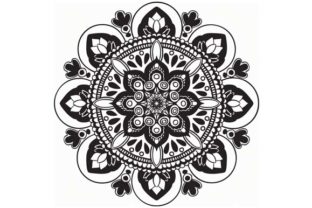
Mandala Vector Art Pattern Black 52
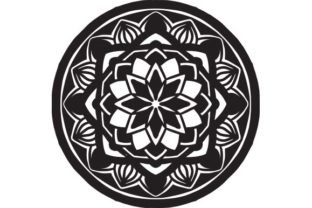
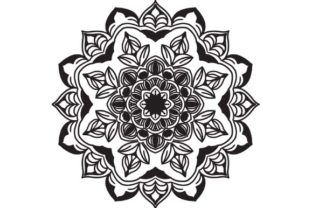
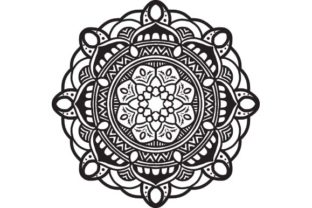
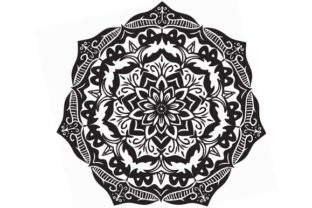
This pattern features a bold, monochrome design with intricate geometric shapes and symmetrical layouts. The black-and-white contrast makes it highly versatile for use in minimalist designs, branding materials, and digital interfaces.
Use Cases:
- Logo design for tech startups or modern brands.
- Backgrounds for websites or mobile apps.
- Printed materials like posters, invitations, and packaging.
The simplicity of this pattern allows it to blend seamlessly with other design elements, making it a great choice for those who want to add depth and visual interest without overwhelming the viewer.
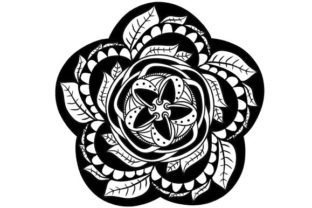
Mandala Vector Art Pattern 34
In contrast, Mandala Vector Art Pattern 34 offers a more colorful and dynamic approach. It features a vibrant array of colors and intricate details that make it perfect for creative projects requiring high visual impact.
Use Cases:
- Graphic design for social media content and marketing campaigns.
- Illustrations for children's books or educational materials.
- Interior design and decorative elements for home or office spaces.
This pattern is particularly useful for designers aiming to create engaging and eye-catching visuals that resonate with a broader audience. Its rich color palette and detailed structure make it a favorite among creative professionals.
Why Use Mandala Vector Art Patterns?
There are several reasons why mandala vector art patterns are gaining popularity in the design world:
- Symbolic Meaning: Mandalas are deeply rooted in spiritual traditions, making them a powerful tool for conveying meaning and emotion in design.
- Visual Appeal: Their complex yet harmonious structures provide a unique aesthetic that stands out in a crowded digital landscape.
- Adaptability: They can be easily adapted to fit various design themes and purposes, whether it's for branding, advertising, or personal expression.
- Technical Versatility: Being vector-based, they are easy to edit and scale, ensuring consistent quality across all mediums.
Applications in Modern Life and Work
Mandala vector art patterns are not just limited to artistic expression—they also have practical applications in various aspects of daily life and professional work.
Design and Branding
Brands often use mandala patterns to create a unique visual identity. For example, a wellness company might incorporate a mandala pattern into its logo or website design to reflect its focus on balance and harmony.
Education and Learning
In educational settings, mandala patterns can be used to teach geometry, symmetry, and design principles. Teachers can use them as tools to engage students in creative learning activities.
Technology and Web Development
With the rise of digital platforms, mandala patterns are increasingly being used in web and app design. They can serve as background elements, loading animations, or interactive components that enhance user experience.
Personal Expression and Creativity
For individuals interested in self-expression, mandala patterns offer a way to explore creativity through digital art. They can be used in personal projects, such as creating digital art, designing custom T-shirts, or crafting printable decorations.
Choosing the Right Mandala Vector Art Pattern
When selecting between Mandala Vector Art Pattern Black 52 and Mandala Vector Art Pattern 34, consider the following factors:
- Project Purpose: A minimalist design may be better suited for a tech startup, while a vibrant pattern could work well for a children's brand.
- Color Preference: If your project requires a monochrome look, the black version may be more appropriate. For a colorful and lively design, choose the more vibrant option.
- Software Compatibility: Ensure that the format (AI, EPS, or JPG) is compatible with your design software or platform.
Conclusion
Mandala vector art patterns, such as Mandala Vector Art Pattern Black 52 and Mandala Vector Art Pattern 34, offer a blend of tradition and innovation that makes them valuable assets in the world of design. Whether you're a professional designer or a creative hobbyist, these patterns can help you create visually stunning and meaningful projects. With their scalability, adaptability, and rich symbolism, mandala patterns continue to play an important role in modern design and personal expression.