Glitch Shape: A Creative Tool for Designing Unique Digital Art
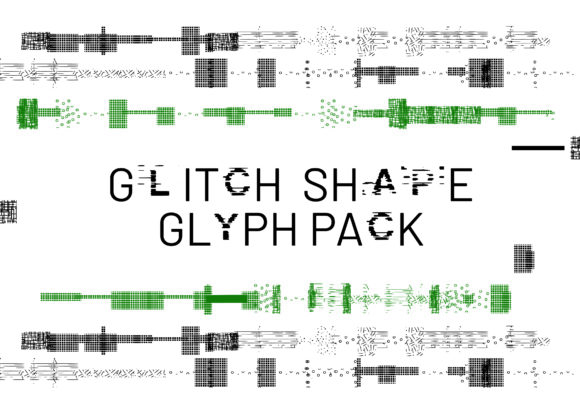
Glitch Shape is a digital design tool that offers a unique collection of 81 dingbats—small, stylized symbols—in various shapes and patterns. These can be used to create visually striking glitch artworks, backgrounds, and designs that stand out in both print and digital media. Whether you're a designer, marketer, or hobbyist, Glitch Shape provides an accessible way to experiment with unconventional aesthetics.
What Makes Glitch Shape Stand Out?
Glitch Shape isn't just another font or graphic set—it's a curated collection designed to inspire creativity. Each dingbat is crafted with attention to detail, offering a range of styles from geometric to abstract. This variety allows users to mix and match elements to suit different projects, from website headers to social media graphics.
One of the key advantages of Glitch Shape is its adaptability. It works well across multiple platforms, including websites, presentations, and mobile apps. The glitch aesthetic has become increasingly popular in modern design, making Glitch Shape a valuable resource for anyone looking to add a unique touch to their work.
Common Mistakes When Using Glitch Shape
While Glitch Shape is a powerful tool, many users make mistakes that can limit its potential. One common error is using the dingbats without considering the context of the design. For instance, applying a highly abstract glitch shape to a professional business card may not align with the intended message or brand identity.
Another frequent mistake is overusing Glitch Shape in a single project. While it's tempting to incorporate multiple glitch elements, this can lead to visual clutter and reduce the impact of each individual design. It's important to balance creativity with clarity to ensure the final result remains engaging and effective.
Some users also overlook the importance of compatibility when integrating Glitch Shape into their projects. Not all platforms or software support custom dingbats equally, which can lead to formatting issues or loss of quality. Before finalizing a design, always test how Glitch Shape renders across different mediums and devices.
How to Avoid These Mistakes
To use Glitch Shape effectively, start by understanding the purpose of your project. Ask yourself: Does this design need to convey a specific message or emotion? How does the glitch aesthetic fit into the overall theme? By aligning the use of Glitch Shape with your creative goals, you can avoid unnecessary complications.
Next, consider the scale and placement of each element. Glitch Shape works best when used strategically. Instead of scattering glitch symbols throughout a design, focus on key areas where they can make the most impact. For example, using a glitch shape as a background accent or a subtle border can enhance the visual appeal without overwhelming the viewer.
Finally, always preview your work in its intended environment. Whether you're designing for a website, social media, or print, testing how Glitch Shape appears in real-world conditions can help identify any potential issues before sharing your final product.
Choosing the Right Glitch Shape for Your Project
With 81 options available, selecting the right Glitch Shape can feel overwhelming. Start by categorizing the dingbats based on style, color, and complexity. Some are simple geometric shapes, while others feature intricate patterns. Consider the mood you want to evoke—whether it's futuristic, chaotic, or nostalgic—and choose shapes that reflect that tone.
It's also helpful to explore how different combinations of Glitch Shapes interact. Pairing contrasting colors or mixing abstract and geometric forms can create dynamic compositions. However, avoid combining too many elements at once, as this can detract from the clarity of your message.
If you're unsure where to start, begin with one or two glitch shapes and build from there. Experimenting with small-scale designs can help you understand how Glitch Shape behaves in different contexts before committing to a larger project.
Practical Tips for Using Glitch Shape Effectively
- Use Glitch Shape as an accent rather than a main element. This ensures it enhances your design without overshadowing other components.
- Test your design on multiple devices and platforms. Ensure the glitch shapes render consistently across different screens and resolutions.
- Consider the audience and purpose of your design. A glitch effect might not be appropriate for a formal report but could work well in a creative portfolio.
- Experiment with layering and transparency. Combining glitch shapes with semi-transparent layers can add depth and interest to your visuals.
- Save and organize your favorite Glitch Shapes. Keeping a personal library makes it easier to reuse elements in future projects.
What to Check Before Finalizing Your Design
Before publishing or presenting your work, take a moment to review the following:
- Does the design maintain its integrity across different formats? Test how Glitch Shape looks when exported as PNG, JPEG, or SVG.
- Is the glitch effect enhancing or distracting? Ensure it supports the overall message rather than competing with it.
- Are there any accessibility concerns? Consider how the glitch shapes affect readability, especially for users with visual impairments.
- Have you considered copyright or licensing? Verify that you have the right to use Glitch Shape in your project, especially if it's for commercial purposes.
- Is the design consistent with your brand or style? Align the use of Glitch Shape with your existing visual language to maintain brand coherence.
By being mindful of these factors, you can ensure that your use of Glitch Shape is both effective and impactful.