Sewing Patterns 3: A Vintage Dingbat for Timeless Fashion Design
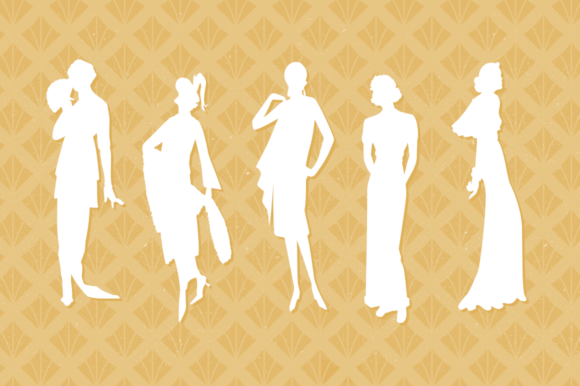
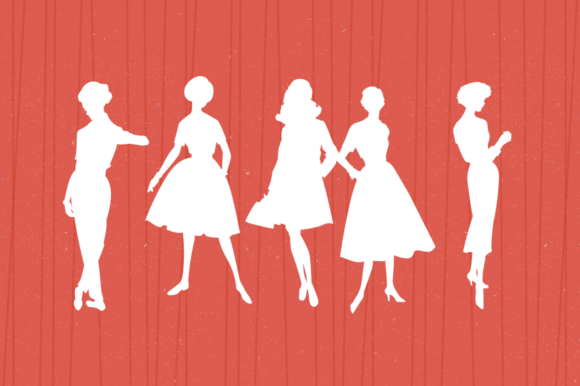
Sewing Patterns 3 is a unique vintage dingbat that brings the elegance of 1950s and 1960s fashion to life through its distinctive design elements. Unlike traditional sewing pattern sets, this collection offers more than just fabric measurements—it provides a visual language of fashion through silhouette forms. These silhouettes are crafted in both uppercase and lowercase letters, while numbers are represented by children’s styles, creating a playful yet sophisticated aesthetic.
At its core, Sewing Patterns 3 serves as a creative tool for designers, hobbyists, and anyone interested in vintage fashion. It bridges the gap between historical style and modern application, making it a valuable asset for those looking to revive classic looks or incorporate them into contemporary designs. Its integration into the broader process of fashion creation can be seamless when approached with intention and understanding.
The Role of Sewing Patterns 3 in the Fashion Workflow
Sewing Patterns 3 fits naturally into various stages of the fashion design and production workflow. Whether used before, during, or after a project, it offers a unique way to visualize and conceptualize garment shapes. For instance, before starting a new design, it can serve as a reference point for exploring different silhouettes and proportions. During the development phase, it can help refine ideas and ensure consistency across patterns. After completion, it can act as a nostalgic touch, adding character and personality to finished pieces.
One of the key advantages of Sewing Patterns 3 is its versatility. It works well with other tools such as fabric swatches, drafting software, and traditional pattern-making techniques. By combining these resources, users can create custom designs that reflect both the structure of the original patterns and their own creative vision. This compatibility makes it an excellent choice for those who value both tradition and innovation in their work.
Integrating Sewing Patterns 3 into Your Creative Process
To integrate Sewing Patterns 3 effectively, consider how it aligns with your existing processes. If you're a designer working on a collection, these patterns can provide a consistent visual theme that enhances the overall aesthetic. For hobbyists, they offer a fun and engaging way to experiment with different styles without the need for extensive planning.
When using Sewing Patterns 3, preparation is key. Start by selecting the appropriate silhouettes that match your project goals. For example, if you're aiming for a retro-inspired line, focus on A-line dresses and pencil skirts. These styles not only capture the essence of the era but also offer practicality and versatility in real-world applications.
Another important aspect is organization. Keeping your patterns sorted by type and style ensures easy access and efficient use. You can create folders or digital files that categorize each silhouette based on its purpose or intended use. This helps streamline the creative process and reduces the time spent searching for the right pattern.
Practical Implementation Tips for Using Sewing Patterns 3
Implementing Sewing Patterns 3 requires a thoughtful approach. Begin by understanding the scale and proportions of each silhouette. This will help you determine which patterns are best suited for your projects. For instance, larger silhouettes may be ideal for creating statement pieces, while smaller ones can be used for accessories or embellishments.
When working with children's styles for numbers, consider how they can be incorporated into designs that appeal to a wider audience. These patterns can add a whimsical element to garments, making them perfect for casual wear or special occasions. Experimenting with different combinations can lead to unexpected and exciting results.
It's also important to think about the materials you'll use. While traditional fabrics like cotton and linen are ideal for many vintage styles, modern alternatives such as synthetic blends can offer additional benefits like durability and ease of care. Choosing the right fabric not only affects the final look but also influences the overall usability of the garment.
Workflow Examples and Useful Observations
Let’s explore a few workflow examples to illustrate how Sewing Patterns 3 can be applied in practice. Suppose you're designing a line of vintage-inspired clothing for a boutique. You could start by selecting a few key silhouettes from Sewing Patterns 3, such as the A-line dress and pencil skirt. These styles are timeless and can be adapted to suit various body types and preferences.
Next, you might use these patterns as a foundation for creating custom designs. By adjusting measurements and incorporating unique details, you can produce garments that are both authentic and personalized. This approach allows you to maintain the integrity of the original patterns while adding your own creative flair.
Another useful observation is the importance of quality control. Ensuring that each piece is constructed correctly and consistently is essential for maintaining the high standards associated with vintage fashion. Pay attention to details such as seam allowances, fabric grain, and finishing techniques to achieve the best possible results.
Finally, consider the long-term use of Sewing Patterns 3. As trends evolve, these patterns can continue to be relevant by offering a nostalgic touch to modern designs. They can also serve as a resource for educational purposes, helping students and aspiring designers understand the principles of vintage fashion and pattern-making.
Conclusion
Sewing Patterns 3 is more than just a collection of vintage designs—it's a versatile tool that can enhance the creative process and bring timeless styles to life. Whether you're a professional designer, a hobbyist, or someone looking to explore the world of vintage fashion, this unique dingbat offers endless possibilities. By integrating it into your workflow with intention and care, you can unlock new levels of creativity and craftsmanship in your projects.